


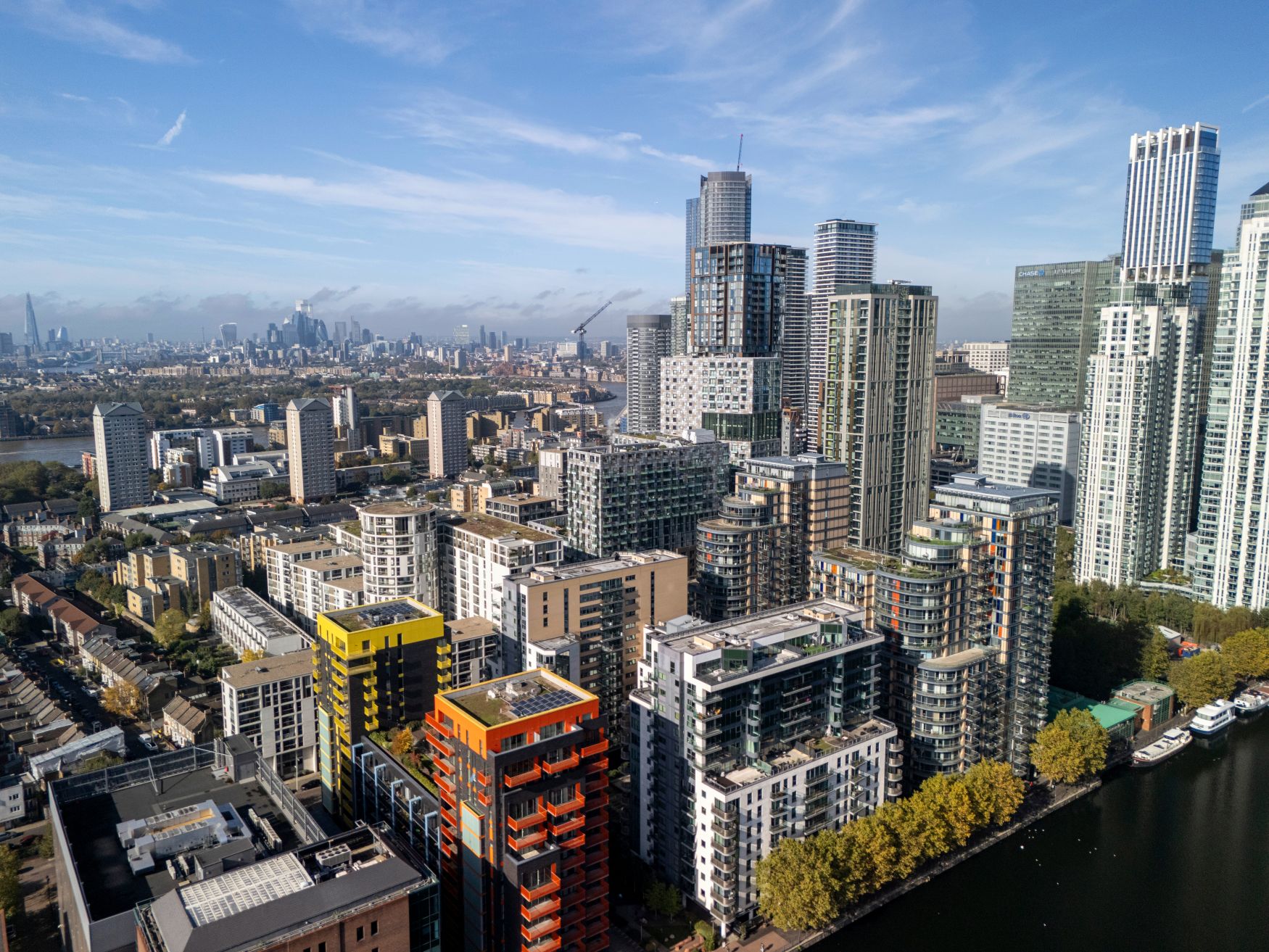
Recent reporting by The Telegraph highlights a trend we have been discussing with our clients for some time — that London’s apartment market has been under sustained pressure for a number of years and simply isn’t profitable for investors. This raises important questions about where investors should be focusing their attention.
In many parts of the capital — particularly areas with a high concentration of new-build apartments — demand has weakened significantly. In some cases, a notable proportion of flats developed over the past decade have struggled to retain their value, with many reselling for less than their original purchase price.
This reflects a broader shift within the UK property market: not all property performs equally. The type of asset you choose is just as important as the location — and, ultimately, the price you pay.
Why Some Apartments Are Facing Challenges
There are several reasons why apartments, particularly in London, are underperforming:
Oversupply in Key Developments
Large-scale apartment schemes have created high levels of competition among sellers, limiting price growth and putting downward pressure on resale values.
Changing Buyer Priorities
Since the pandemic, buyers have placed a greater emphasis on space, flexibility and outdoor access — something that many flats struggle to provide.
Rising Ownership Costs
Service charges, ground rent and building-related costs have increased significantly, reducing both affordability and investor returns.
Limited Resale Demand
Leasehold flats on the whole tend to have a narrower buyer pool. In softer markets, this can make them harder to sell and more vulnerable to price reductions.
A Market Increasingly Defined by Fundamentals
The current environment is reinforcing a simple but important point:
properties with broad, real-world demand tend to perform more consistently.
Houses — particularly freehold homes — continue to benefit from:
- Wider appeal to buyers and tenants
- Simpler ownership structures
- Lower ongoing costs
- Greater control for the owner
- Greater resilience during market shifts
These fundamentals are becoming more important as the market normalises.
Why Many Investors Are Looking North
As these trends play out, many investors are reassessing where they allocate their capital.
Many Northern regions remain hugely affordable for normal families on median incomes leaving room for solid price and rental growth.
- Lower entry prices, allowing investors to diversify or scale more easily
- Stronger rental yields, often significantly higher than London
- Ongoing regeneration, supported by both public and private investment
- Growing tenant demand, driven by employment, affordability and lifestyle shifts
Importantly, many of these markets are less exposed to the oversupply issues seen in some London apartment sectors, particularly when focusing on well-located family housing.
A Shift in Strategy
This doesn’t mean the Capital has no role to play — but it does mean investors need to be more selective than ever.
Rather than relying on headline location alone, successful investors are increasingly focusing on:
- Asset type
- Demand fundamentals
- Cost structure
- Long-term resale potential
In many cases, that leads them towards simpler, more predictable investments — often outside the capital or even cities more generally.
Final Thought
The challenges facing parts of London’s flat market are a reminder that property investment is not just about where you buy — but what you buy.
For investors seeking stability, income and long-term growth, the combination of high-quality housing and strong regional fundamentals is becoming increasingly attractive.
And for many, that opportunity is being found not in the capital — but further north.


