


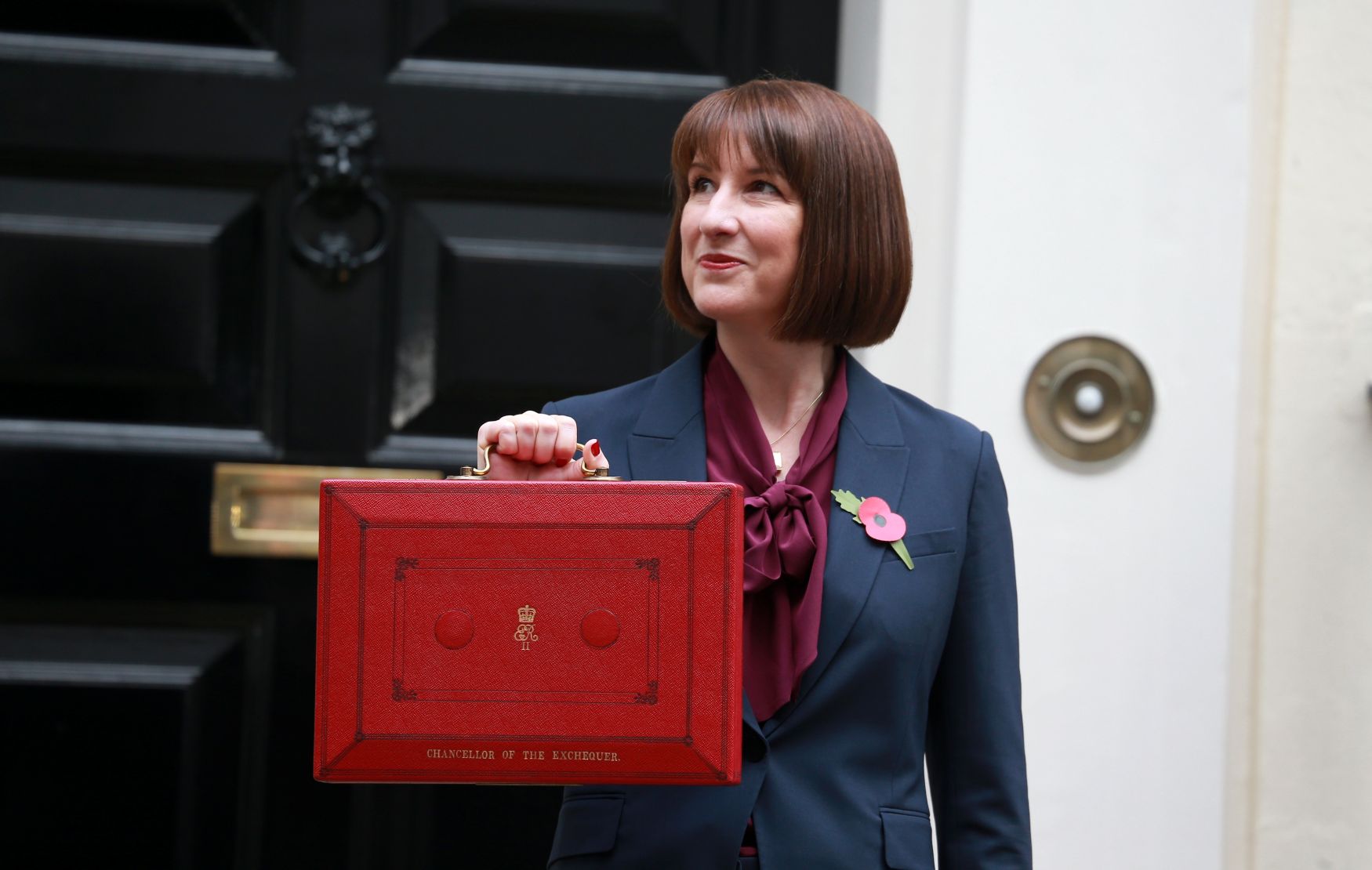
So at last after all the kite flying and leaks we had the much anticipated Budget. We have tried to bring you the key points below and how they impact us all as property investors.
The overall picture is more of a tightening than a major upheaval. While it’s clear the government is looking to raise revenue from investment income, many of the most severe measures that had been rumoured in recent months did not materialise.
Below is a clear breakdown of what changed, what didn’t, and what it all means for you.
1. Key Measures Affecting Property Investors
Higher Tax Rates on Property Income (from 2027)
The Budget confirmed that rental income will be subject to new, slightly higher tax bands from April 2027. These rates apply specifically to property income earned by individuals and see taxes rise by just 2%.
This represents a modest increase rather than a radical overhaul, bringing property income in line with similar increases on savings interest and dividends. The OBR have even remarked in their own report that these increases are likely to be borne by tenants not landlords.
New Surcharge on £2m+ Properties (from 2028)
A long-discussed “mansion tax” will take the form of a council-tax style surcharge applied to properties valued over £2 million, starting in 2028.
This affects a relatively small portion of the market and is heavily concentrated in high-value areas, meaning the vast majority of landlords and investors are untouched by this change.
Income Tax Threshold Freeze Extended
The existing freeze on income tax and NI thresholds will continue for several more years. While this does gradually pull more income into higher tax bands, it’s a broad fiscal measure affecting all taxpayers, not specifically targeted at landlords.
Planning & Housing Initiatives
The Budget emphasised housing supply and planning reform, with further investment in planning departments and infrastructure to support delivery of 1.5 million homes.
For investors, improvements to local infrastructure and faster planning processes can translate into more reliable development timelines and stronger long-term area growth.
2. What Didn’t Happen (And Why That Matters)
One of the quietly positive aspects of the Budget is what was not included:
-
No rise in Capital Gains Tax on residential property
-
No additional SDLT increases for landlords
-
No National Insurance on rental income
-
No cuts to major allowances beyond earlier reductions
These were all heavily speculated over, and each would have had a more dramatic impact on investor profitability. Their absence means the sector avoids the harsher scenarios many feared.
3. The Overall Impact on Investors
Yes, there are tax increases—but they are incremental and phased in over several years. This gives investors time to plan, restructure if needed, and adjust strategies gradually rather than react to sudden shocks.
The broader context is also important:
-
The government increased taxes across all types of investment income, not just property.
-
Property still benefits from strong rental demand, inflation-linked asset resilience, and the ability to leverage finance—advantages that cash and equities simply don’t offer.
-
The planning and infrastructure push can enhance long-term values in many regions, particularly for investors focused on regeneration areas or development-led strategies.
For most investors, the Budget represents an environment to adapt to, not a reason to exit the market.
4. A Balanced Perspective
While the Budget undoubtedly raises the tax burden, the measures are broadly aligned with wider fiscal tightening rather than a targeted clampdown on landlords. And with significant speculation beforehand about much sharper reforms, the final package is far more manageable.
Property remains one of the most robust long-term investment classes, and these changes—spread out over multiple years—can be navigated with thoughtful planning and structure.


